


Anemia in Patient Blood Management
Identifying anemia, understanding its cause, and treating modifiable conditions are core elements of the first PBM pillar.
Anemia should not be viewed merely as a complete blood count value or as an automatic trigger for transfusion. In PBM, it is a clinical condition that should be recognized in the context of the patient, investigated, and, when possible, corrected before higher-risk situations.
Editorial basis: Educational content based primarily on Chapter 3 of PBM Essencial. This page is educational and does not replace individualized clinical assessment, institutional protocols, professional guidelines, or applicable regulatory standards.
Why does anemia matter in PBM?
Anemia is common across different clinical settings and may increase patient vulnerability during surgery, bleeding, or acute illness. In PBM, the goal is not simply to raise hemoglobin; it is to recognize anemia as a sign of an underlying problem and assess whether modifiable causes are present.
Core principle: anemia should be investigated and managed as a clinical condition. Red blood cell transfusion does not replace etiologic investigation.
Anemia: recognize before reacting
A visual summary designed to support quick understanding and connect the concept with the page content.
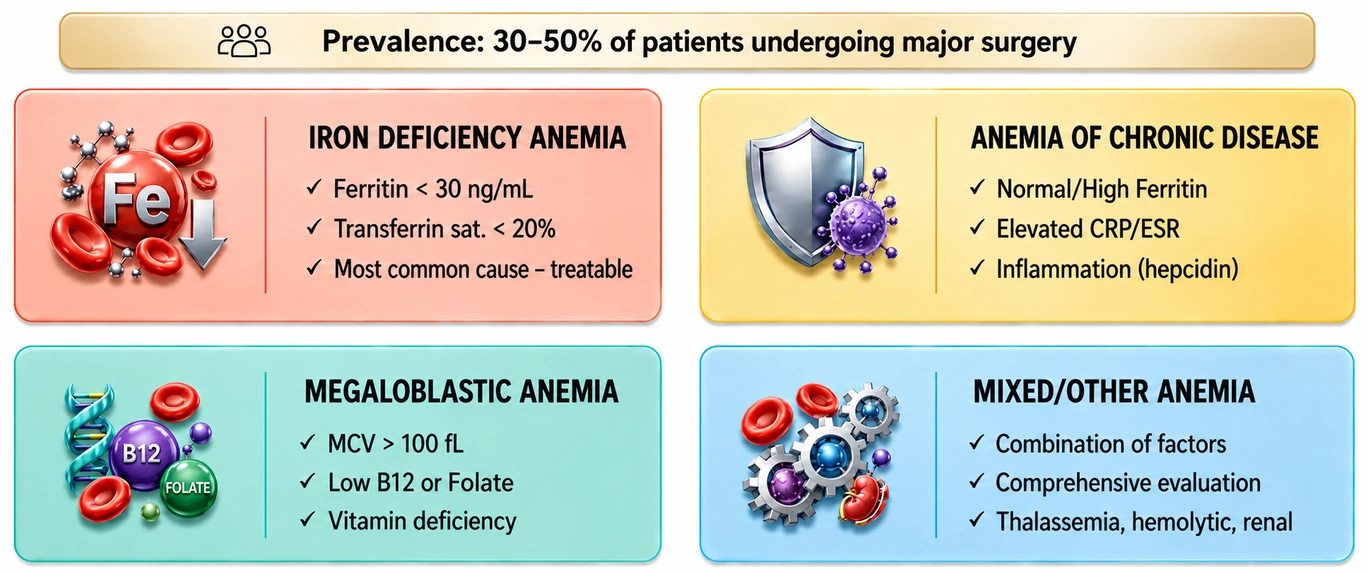
The first pillar: optimize red blood cell mass
Optimization begins with early identification. When the clinical timeline allows, assessment may include medical history, a complete blood count, and tests guided by the suspected etiology. Iron deficiency, inflammation, vitamin B12 or folate deficiency, kidney disease, and chronic blood loss are among the conditions that may require targeted investigation.
The goal is for the patient to reach the procedure or period of greatest risk in the best hematologic condition reasonably achievable for that individual.
Iron deficiency and individualized treatment
Iron deficiency is an important and potentially treatable cause of anemia. The choice of therapeutic strategy depends on the cause, severity, tolerability, presence of inflammation, urgency, and time available for response.
Oral iron and intravenous iron have distinct roles. The appropriate route should be selected according to the clinical context and applicable evidence, rather than turning a PBM approach into a standardized prescription for every patient.
Preoperative anemia: anticipate rather than react
In elective surgery with a relevant risk of bleeding, identifying anemia in advance creates an opportunity for investigation and treatment before the procedure. This planning is consistent with the preventive logic of PBM: reduce vulnerabilities before blood loss occurs.
When surgery is urgent, the strategy must be adapted. PBM does not mean indiscriminately delaying procedures; it means organizing care according to risk, available time, and the patient’s condition.
What this page does not replace
Differential diagnosis, detailed interpretation of ferritin and transferrin saturation, therapeutic regimens, doses, algorithms, and special situations require deeper evaluation, clinical judgment, and consultation of up-to-date guidelines.
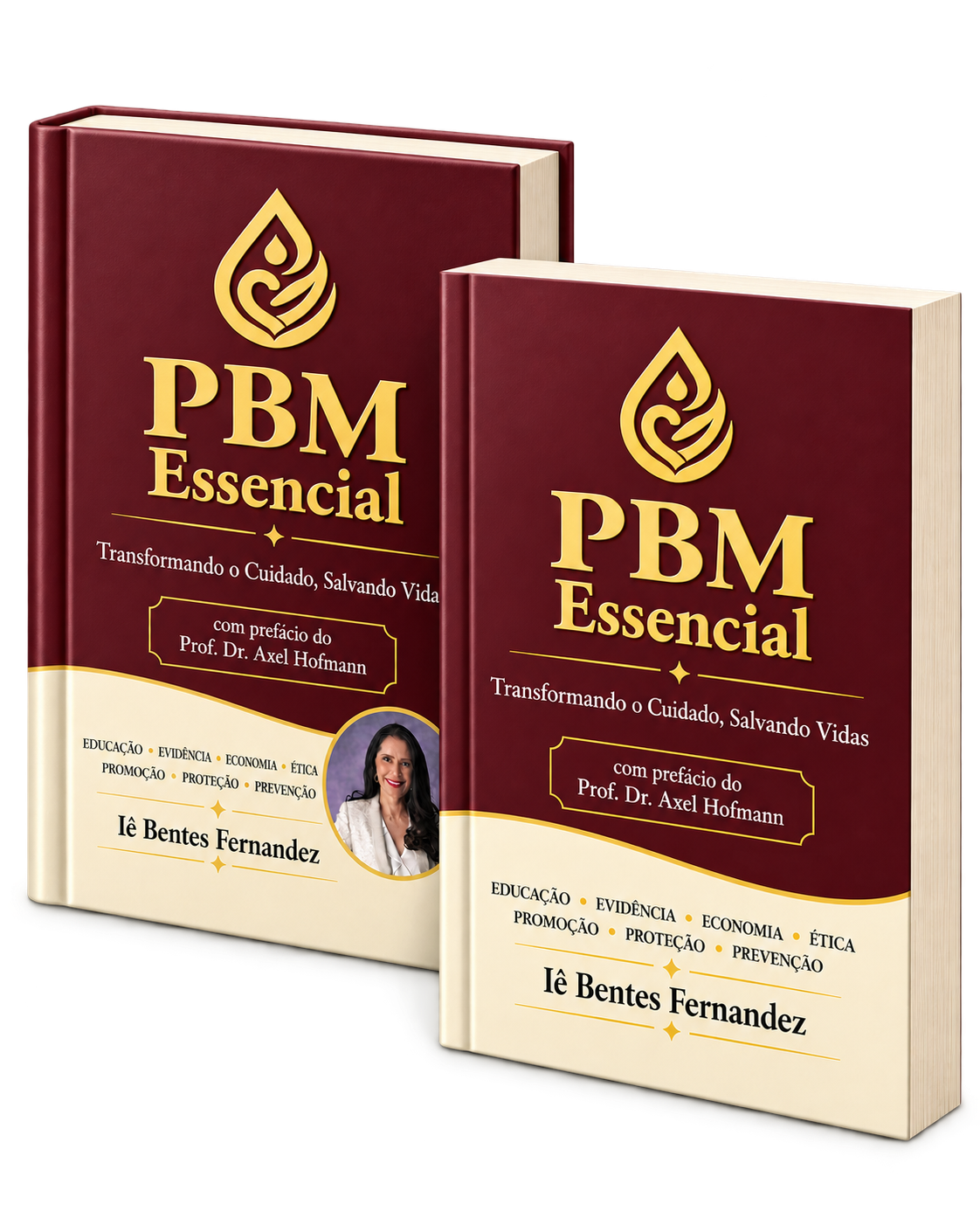
The website introduces the concept. The book explores its application in depth.
PBM Essencial: Transformando o Cuidado, Salvando Vidas explores the investigation and management of anemia within PBM in greater depth, with references, clinical reasoning, and dedicated educational resources, especially in Chapter 3.
PBM Essencial explores the topic in depth with protocols, algorithms, tables, references, and resources for study and consultation.
Hardcover and paperback physical editions are currently available in Portuguese.